



US Blockade at Hormuz Could Cost Iran $435 Million Daily Amid Rising Tensions: Report

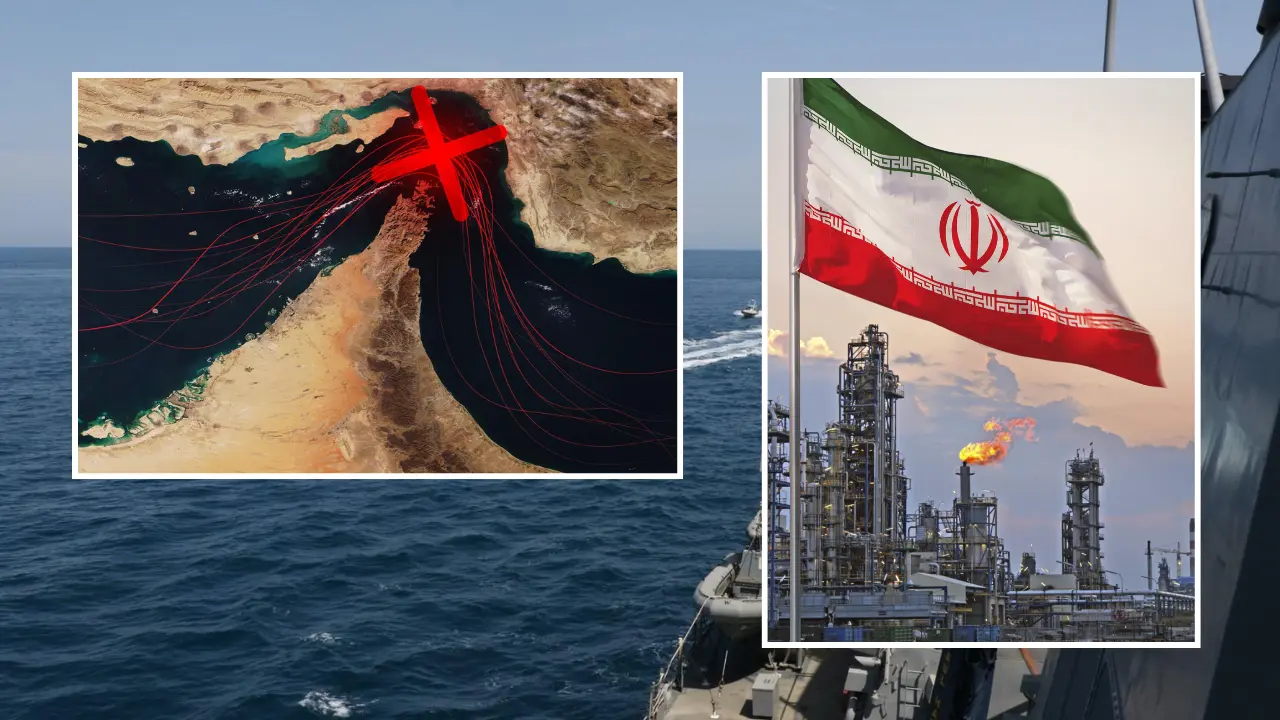
Washington — As geopolitical friction intensifies between Washington and Tehran, the economic stakes have reached a fever pitch. A recent analysis by the Wall Street Journal suggests that a targeted US blockade of Iranian ports at the strategic Strait of Hormuz could inflict a staggering $435 million (approximately ₹4,081 crore) in daily economic damages on the Islamic Republic.
Initiated under orders from President Donald Trump, the blockade aims to throttle the flow of essential commodities—including oil, fertilizers, and food—potentially triggering a fresh wave of domestic inflation within Iran. However, the true depth of the financial blow remains a subject of debate among energy analysts.
The Mechanics of Economic Pressure
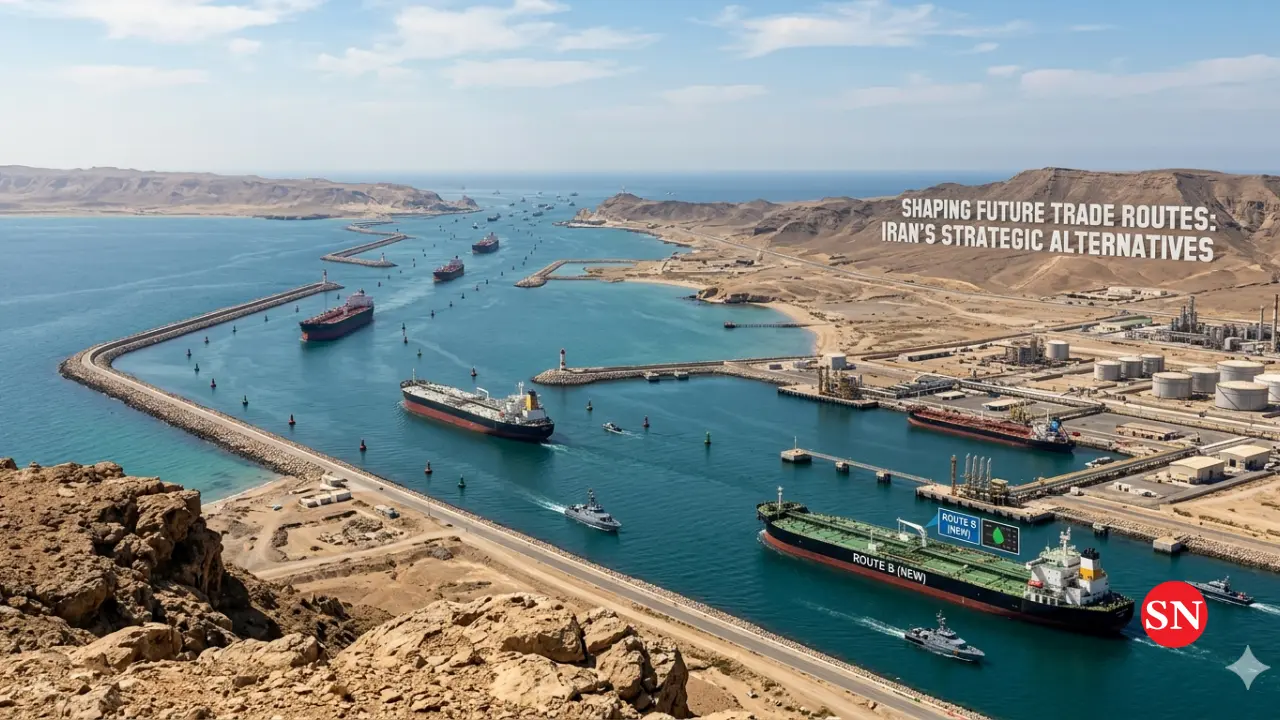
The efficacy of the “quarantine” depends on several variables: the impermeability of the US naval cordon and Iran’s ability to bypass the Strait via the Jask terminal, located outside the immediate Gulf waters. Furthermore, Iran’s short-term pain may be mitigated by its significant “floating storage.” Data from Kpler indicates that as of late March, Tehran held roughly 154 million barrels of oil already on the water, positioned outside the affected blockade zone.
Highlighting the scale of the potential loss, Miad Maleki, a former official with the Treasury Department’s Office of Foreign Assets Control, provided a sobering breakdown to the WSJ:
“The US quarantine of Iran’s ports will cost Iran about $435 million a day in economic damage.”
Maleki’s figures include an estimated $276 million in lost exports, primarily crude oil and petrochemicals. These calculations assume an export volume of 1.5 million barrels per day at a wartime price of roughly $87 per barrel, with the vast majority of traffic originating from Kharg Island.
Strategy: Maximum Pressure Without Boots on the Ground
The blockade was triggered following the collapse of ceasefire negotiations over the weekend. By restricting access to the Persian Gulf, the Trump administration seeks to “strangle” Tehran’s cash flow without the high-risk necessity of a ground invasion or a direct military seizure of Iranian oil hubs.
Marc Thiessen, a prominent columnist and former White House Director of Speechwriting, argues that this maritime strategy achieves the same strategic goals as a military strike on Kharg Island but with fewer risks to US personnel. Additionally, the move exerts indirect pressure on China, which relies on the Strait for nearly half of its crude oil and 30% of its liquefied natural gas. By disrupting this supply chain, Washington hopes to leverage Beijing into joining the pressure campaign.
Logistical Hurdles and Naval Enforcement
Despite the aggressive posturing, enforcing a total blockade presents a monumental logistical challenge for the US Navy. While the US maintains 16 warships in the Middle East, reports from the Associated Press suggest that none are currently stationed directly within the Persian Gulf.
Key Challenges Include:
- Volume of Traffic: Nearly 20% of the world’s traded oil passes through the Strait during peacetime.
- Legal Clarity: The Navy is still reportedly developing the “practical application” of these restrictive measures.
- Asset Requirements: Enforcing a strict cordon requires a massive, sustained presence of vessels and personnel.
Sidharth Kaushal, a naval power expert at the Royal United Services Institute (RUSI), notes that the success of the operation hinges on the “early days.” The US must demonstrate a credible ability to seize vessels to deter others from attempting to slip through. “In all likelihood,” Kaushal warned, “it will prove difficult for the US to enforce” over the long term.
Sources
- The Wall Street Journal (WSJ)
- The Associated Press (AP)
- Kpler (Tanker Tracking Data)
- Royal United Services Institute (RUSI)
Disclaimer: This article is for informational purposes only. The economic figures and military strategies discussed are based on current reports and analyst projections and are subject to change as the situation in the Persian Gulf evolves. Storify News does not take a political stance on the ongoing conflict.
The post US Blockade at Hormuz Could Cost Iran $435 Million Daily Amid Rising Tensions: Report first appeared on Storify News.
 0
0
 0
0
 0
0
 0
0
 0
0
 0
0
 0
0